John chapter 6 has always felt overwhelming to me because so much happens in one place. You have the feeding of the five thousand, Jesus walking on water, and then this long, uncomfortable conversation that completely shifts the atmosphere. The crowd follows Jesus, and he calls them out for coming back only because they want another free lunch. Then he drops a line that stopped me in my tracks in 2025.
Jesus says, “This is the only work God wants from you. Believe in the one he sent” (John 6:29, NLT). That verse rearranged my thinking. One work. One focus. Believe.
The crowd immediately asks Jesus for a sign. They reference manna in the wilderness and basically ask him to repeat the miracle. Even after being corrected, they are still focused on bread, still chasing provision instead of presence.
Jesus responds by shifting the conversation entirely. He tells them that Moses did not give them bread from heaven, but that the Father did, and now the Father is offering true bread from heaven. When Jesus says, “I am the bread of life,” he is not offering convenience, but life itself (John 6:35, NLT).
This is where the tension starts to rise. Jesus promises eternal life, security, and resurrection, and then the people begin to murmur. They cannot reconcile what he is saying with what they think they know.
Jesus doubles down. Then he triples down. He starts talking about eating his flesh and drinking his blood, and if you strip away everything we now know about communion, it sounds shocking.
I try to imagine hearing this for the first time. No context. No framework. No explanation. Just Jesus saying it over and over again. If I am honest, I probably would have walked out too.
John tells us that many disciples did exactly that. They said the teaching was too hard, and they left (John 6:60–66, NLT).
After everyone leaves, Jesus turns to the twelve and asks a haunting question. “Are you also going to leave?” (John 6:67, NLT). He does not chase them. He does not soften the message. He just asks.
Peter answers with one of the most honest confessions in Scripture. “Lord, to whom would we go? You have the words that give eternal life” (John 6:68, NLT). That response has nothing to do with understanding everything. It has everything to do with trust.
This story sent me to the book of Job. Job is one of those books people avoid because it stirs arguments, but I found a lot of comfort there this week.
In Job 38, God answers Job out of a whirlwind and asks question after question. Where were you when I laid the foundation of the earth? Who set its boundaries? Who commands the morning? God does not explain himself. He reveals himself.
Job’s response in chapter 42 is humility. He admits he spoke about things too wonderful for him to understand and repents in dust and ashes (Job 42:1–6, NLT). That response matters more than any answer.
Last week, Isaiah 55 confronted me in a way I did not expect. When I read about rain not returning to the earth void, my knowledge of evaporation immediately challenged the Word. That disturbed me.
I realized I was defending Scripture against my own understanding. That is human wisdom rising up. The Lord used that moment to humble me and remind me that he is not bound by systems, processes, or what we think we know.
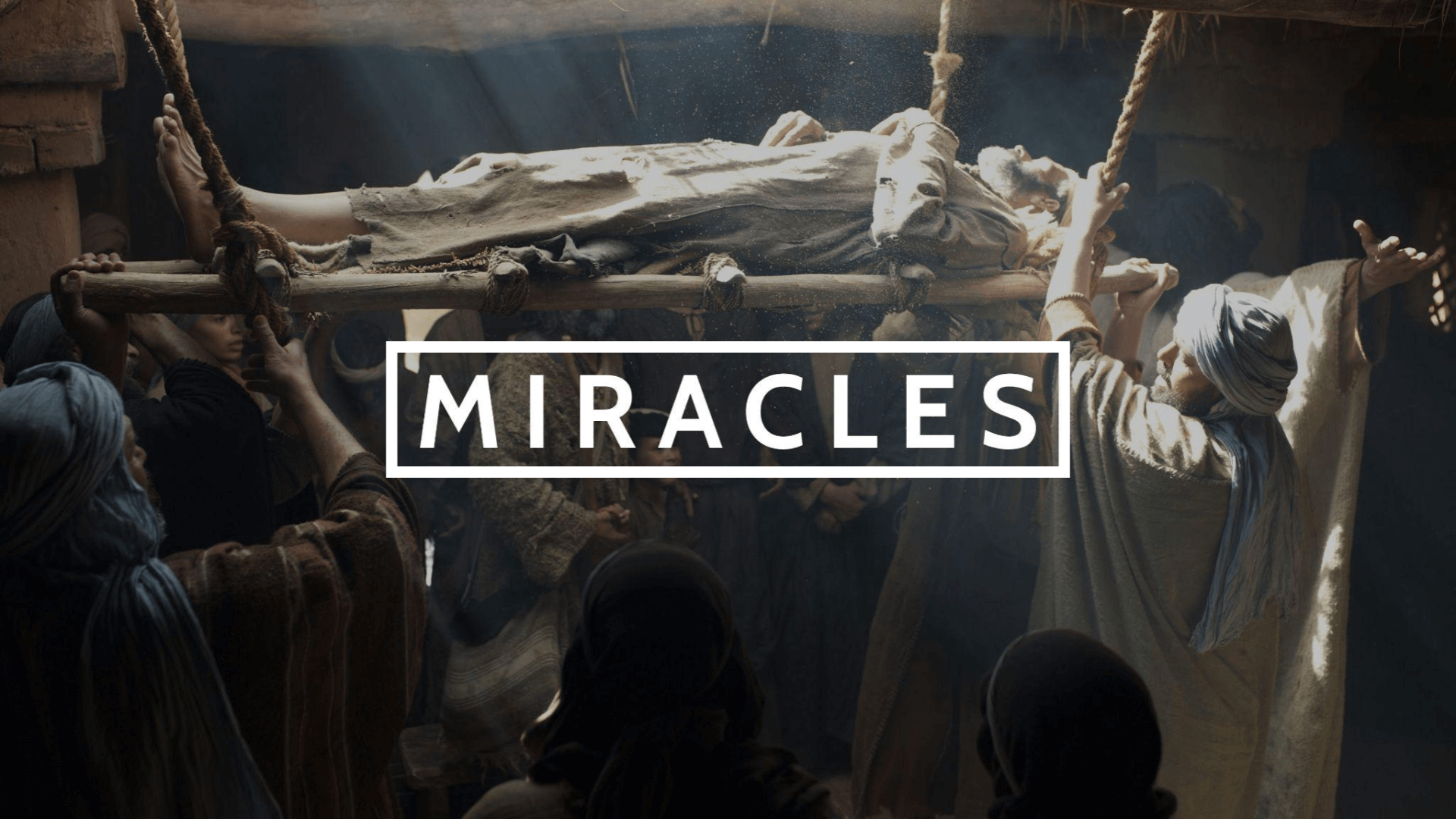
Miracles require the breaking of systems. Healing exists beyond biology. Faith collapses when we refuse to lay down what we think we know.
Debates like flat earth versus round earth expose something deeper. The Bible does not definitively settle every mystery, and God seems intentional about that. He leaves room to see how we handle what we cannot fully explain.
The moment we argue, we lose the point. If something pulls our attention away from the wonder of God and into human certainty, we are already off track. It is not a salvation issue, but it becomes a unity issue.
Paul addresses this directly in 1 Corinthians. He pleads for unity and warns against division rooted in human wisdom. He says the world will never know God through human wisdom, and that God intentionally uses what looks foolish to reveal his power (1 Corinthians 1:18–31, NLT).
Christ himself is wisdom. Not information. Not intellect. Not clever speech. Christ.
If we boast, we boast in the Lord alone.
Ephesians 4 reframed something for me. Paul begs believers to live worthy of their calling, and the first instruction is not power or boldness. It is humility and gentleness (Ephesians 4:1–3, NLT).
Unity is not automatic. It requires effort. It requires patience. It requires making allowance for one another’s faults in love.
John 17 changed me. In Jesus’ final prayer before the cross, his first request for us is protection. Not comfort. Not success. Protection so that we would be one.
Jesus ties our unity directly to the world’s ability to believe. If we are divided, the world cannot see him. Unity is not a side issue. It is central to the gospel’s witness.
Biblical fellowship is not surface level connection. It is covenant partnership. It looks more like marriage than a potluck.
That reality showed up in my own home this week. Beth and I had passionate disagreements that forced us to slow down, listen, and trust that the Lord was working something deeper in both of us. We realized God gave us different perspectives on purpose so we could see the full picture together.
If we are going to move forward, we must trust how God orchestrates leadership and authority. We do not see the full picture. He does.
I am not claiming perfection. I am claiming pursuit. I will speak with a clear conscience, receive correction when it comes, and trust the Lord to judge rightly. That posture is the only way unity survives.
Last week was not a mistake. It was orchestrated by the Holy Spirit. Tension surfaced because something needed to be addressed.
If we refuse to fight for unity, we will never walk in what God has prepared. But if we stay humble, stay teachable, and stay connected, he will propel us forward together.